
Chia Seeds Bone Health: More Calcium Than Milk — And That’s Just the Beginning
Priya’s rheumatologist said it plainly: “Your bones are thinning faster than they should for a 44-year-old.”
She wasn’t a smoker. She walked every morning. She had drunk milk her entire life — two glasses a day since childhood, the way her mother had insisted. And still, her DEXA scan showed early osteopenia. Bone mineral density: declining.
Her dietitian handed her a printed sheet. On it, a single line she had to read twice: One tablespoon of chia seeds contains more calcium per serving than a glass of whole milk.
She thought it was a mistake.
It wasn’t.
The Number That Stops People
Per 100 grams, chia seeds contain 631mg of calcium. Whole milk contains 120mg per 100 grams.
That is not a small difference. That is 426% more calcium — gram for gram — from a seed that most people sprinkle on yogurt without thinking twice.
Per standard serving (28g / 2 tablespoons), chia seeds deliver 179mg of calcium — 14% of the adult daily recommended value. A full glass of milk (240ml) provides around 300mg. But chia seeds weigh 28 grams. Milk weighs 240 grams. When you compare equal weights, chia wins by a ratio that surprises even nutritionists.
The USDA FoodData Central (2026) confirms these numbers. They have not changed. What has changed is how researchers now understand what else chia seeds do to bone, beyond simply delivering calcium.
Calcium Is Only One Part of the Story
Most bone health articles stop at calcium. That is the wrong place to stop.
Bone is not made of calcium alone. It is made of a mineral matrix called hydroxyapatite, a crystalline structure that requires calcium, phosphorus, and magnesium to work together. Remove any one of them, and the structure weakens regardless of how much calcium you consume.
Chia seeds, per one-ounce serving:
- Calcium: 179mg — 14% Daily Value
- Phosphorus: 244mg — 20% Daily Value
- Magnesium: 95mg — 23% Daily Value
No single dairy serving delivers all three at these concentrations simultaneously. Milk provides calcium well. It provides far less magnesium and phosphorus per serving relative to chia seeds.
This matters because magnesium deficiency — estimated to affect over 50% of Western adults — directly accelerates bone loss. Magnesium is required to convert vitamin D into its active form. Without active vitamin D, the body cannot absorb calcium efficiently regardless of dietary intake. Chia seeds address this chain at multiple points.
What the Research Actually Shows
The Long-Term Animal Study
The most cited direct evidence comes from a long-term Sprague-Dawley rat study published in PMC. Animals fed chia seeds daily for approximately 13 months showed significantly increased bone mineral content compared to a control group. The researchers also observed improved hepatic and intestinal morphology — meaning the gut was healthier, which directly improves mineral absorption.
This matters because bone density responds to long-term dietary patterns, not single meals. A rat study is not a human RCT — the researchers noted this honestly. But the mechanism is well-understood and biologically plausible in humans.
/
Calcium Bioavailability — The Question Nobody Asks
Here is where most chia seed articles fail their readers entirely.
The number on the label is not the number your body absorbs. Calcium bioavailability — how much the body actually extracts and uses — varies dramatically between food sources.
Chia seeds contain phytates and oxalates, compounds that bind to calcium and reduce absorption. This is the honest limitation that every serious guide must include.
However, a 2020 PubMed study (Bioavailability of Calcium from Chia in Ovariectomized Rats, published in Nutrients) found that chia maintained bone health when offered as a source of 20% of the calcium recommendation — even in animals with hormonally-driven bone loss. Absorption was sufficient to be clinically relevant.
The practical workaround is straightforward: soaking chia seeds before eating significantly reduces phytate content and improves mineral bioavailability. A 20-minute soak in water or milk — the gel you see forming — has already begun breaking down the compounds that limit absorption. This is not optional advice. For people relying on chia seeds as a primary calcium source, soaking is essential.
The Omega-3 Mechanism — What Milk Cannot Offer
This is where chia seeds genuinely outperform dairy in the bone health conversation.
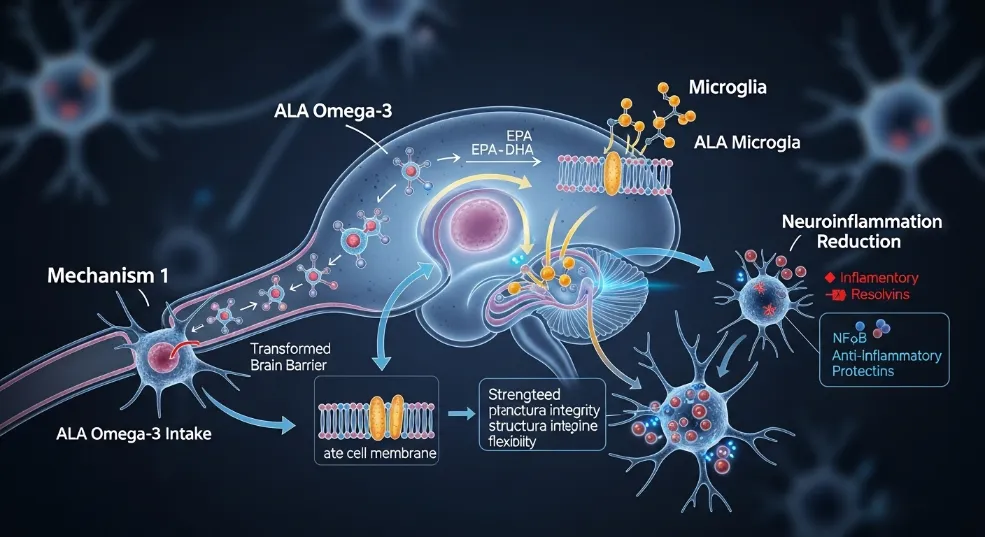
Chia seeds are the richest plant-based source of ALA omega-3 fatty acids — approximately 5.1g per ounce. Research published in Taylor & Francis’s reference database confirms that polyunsaturated fatty acids directly affect bone metabolism: plant-source omega-3 has been shown to have a protective effect on the skeletal system.
The mechanism: ALA omega-3 inhibits osteoclasts — the cells responsible for breaking down bone tissue — via suppression of RANKL-induced osteoclast formation. Simultaneously, omega-3 supports osteoblast activity — the bone-building cells.
Milk contains no meaningful omega-3. Chia seeds contain more ALA per gram than any other plant food. For bone health specifically, this is a significant advantage that the calcium-comparison headline understates.
Who Needs This Most
Postmenopausal Women
Estrogen loss after menopause accelerates osteoclast activity dramatically. Bone loss in the first decade post-menopause can reach 3–5% per year. The PubMed calcium bioavailability study specifically used ovariectomized rats — a standard model for postmenopausal bone loss — and found chia maintained bone health in this population. The omega-3 osteoclast inhibition mechanism is particularly relevant here.
People Who Avoid Dairy
An estimated 65% of the global adult population has reduced ability to digest lactose after infancy. In South Asian and East Asian populations, this figure exceeds 90%. For these populations, milk is not a practical calcium source. Chia seeds — tasteless, shelf-stable, and requiring no preparation beyond soaking — offer a genuinely accessible alternative.
Adults Over 50
After 50, intestinal calcium absorption efficiency declines. The gut becomes less capable of extracting calcium from food. Chia’s prebiotic fiber — confirmed by the February 2026 Tandfonline peer-reviewed review — feeds Bifidobacterium and Lactobacillus strains that reduce intestinal pH. Lower pH increases mineral solubility, directly improving calcium absorption in the gut. This is a mechanism dairy does not offer.
This connects directly to what we covered in the chia seeds gut health guide — healthy gut bacteria are not just about digestion. They are about mineral absorption.
The Vitamin D Problem — and How to Solve It
Calcium without vitamin D is inefficient. The body uses vitamin D to actively transport calcium across the intestinal wall. Without adequate vitamin D, dietary calcium — from any source — passes through largely unabsorbed.
Chia seeds contain no meaningful vitamin D. Neither does milk, unless fortified.
The practical protocol for people using chia seeds for bone health:
Morning: 2 tablespoons of chia seeds soaked overnight in water or plant milk — with breakfast that includes vitamin D (fortified plant milk, egg yolk, or a supplement).
Why timing matters: Calcium and magnesium are best absorbed with food, not on an empty stomach. The same meal that includes chia seeds should include some fat — which aids fat-soluble nutrient absorption — and ideally a vitamin D source.
Pair with direct sunlight exposure where possible. The skin synthesises vitamin D from UVB rays far more efficiently than the gut absorbs supplemental D3. Twenty minutes of morning sun at a latitude where UVB reaches the skin is worth more than most supplements.
Chia Seeds vs. Milk: The Honest Comparison
| Chia Seeds (28g) | Whole Milk (240ml) | |
|---|---|---|
| Calcium | 179mg (14% DV) | 300mg (23% DV) |
| Magnesium | 95mg (23% DV) | 24mg (6% DV) |
| Phosphorus | 244mg (20% DV) | 205mg (16% DV) |
| ALA Omega-3 | 5.1g | Trace |
| Vitamin D | None (unless fortified) | Low (unless fortified) |
| Calories | 138 kcal | 149 kcal |
| Lactose | None | Yes |
| Phytates | Yes (reduce with soaking) | None |
The honest conclusion: milk delivers more calcium per serving in a more bioavailable form. Chia seeds deliver more magnesium, more phosphorus, and omega-3 that actively protects bone — in a lactose-free, vegan package that stores for four years without refrigeration.
They are not competitors. They are complements. But for the 65% of global adults who do not tolerate dairy well, chia seeds are the most nutritionally complete plant-based bone support available.
How Much Chia Seeds Per Day for Bone Health
Two tablespoons (28g) daily is the evidence-supported dose. This delivers 14% of calcium DV, 23% of magnesium DV, and 20% of phosphorus DV — a meaningful contribution without approaching excess.
Do not exceed 4 tablespoons daily without medical guidance. High-fiber intake requires proportional water intake to avoid digestive discomfort. The chia seeds blood pressure guide covers dose-response relationships in detail — the same 25–40g daily range studied for cardiovascular effects applies broadly.
The Right Way to Eat Chia Seeds for Maximum Bone Benefit
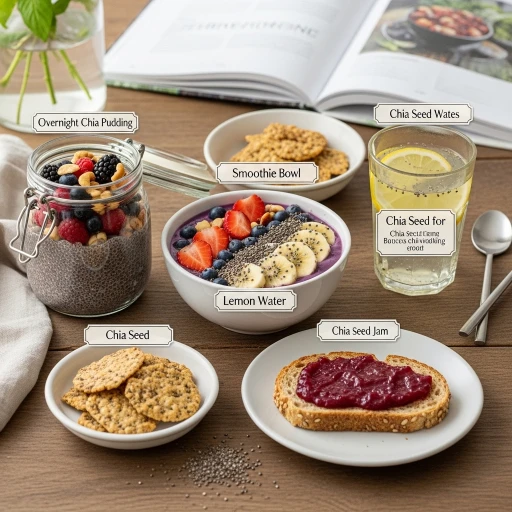
Option 1 — Overnight soak: 2 tablespoons in 6–8 tablespoons of water or plant milk. Refrigerate overnight. The gel that forms indicates phytate breakdown is underway. Add to yogurt, oatmeal, or eat directly.
Option 2 — Chia pudding with fortified milk: Combine chia seeds with vitamin D-fortified almond or oat milk. This addresses the vitamin D gap directly and improves calcium absorption simultaneously.
Option 3 — Add to smoothies: Blend soaked chia seeds into a smoothie that includes kale or broccoli — both calcium-rich — and a vitamin D-fortified milk base. This stacks calcium sources efficiently.
What not to do: eat chia seeds dry, chased with liquid. Dry seeds expand rapidly and deliver less benefit — and carry a real choking risk, as documented in the Dallas ER case covered in the main chia seed benefits guide.
Frequently Asked Questions
Do chia seeds have more calcium than milk? Gram for gram, yes — chia seeds contain 631mg of calcium per 100g versus 120mg in whole milk. Per serving, milk delivers more total calcium (300mg vs 179mg) because a glass of milk weighs far more than two tablespoons of seeds. For equal weight comparisons, chia seeds contain over four times more calcium.
Can chia seeds prevent osteoporosis? No single food prevents osteoporosis. Chia seeds contribute meaningfully to bone health through calcium, magnesium, phosphorus, and omega-3 fatty acids that inhibit bone-breakdown cells. The 2020 PubMed bioavailability study confirmed chia maintained bone health in a hormonal bone-loss model. They are a valuable adjunct — not a standalone treatment.
Do I need to soak chia seeds to absorb the calcium? Soaking significantly improves calcium bioavailability by reducing phytate content. A 20-minute minimum soak is recommended, and overnight soaking is ideal. Eating dry chia seeds still delivers some calcium, but less efficiently.
Are chia seeds good for bones after menopause? Yes — chia seeds’ omega-3 content specifically inhibits osteoclast (bone-breakdown cell) activity, which accelerates significantly post-menopause. The PubMed 2020 study used an ovariectomized rat model specifically to test this scenario and found positive outcomes for bone mineral maintenance.
How much calcium do two tablespoons of chia seeds have? Two tablespoons (approximately 28g) of chia seeds provide 179mg of calcium — 14% of the adult daily recommended value of 1,000mg.
For the complete nutritional breakdown of chia seeds including all 13 micronutrients, see the chia seed benefits guide. For how chia seeds’ prebiotic fiber improves calcium absorption in the gut, read the chia seeds gut health guide. For cardiovascular benefits — including the magnesium-blood pressure connection — the chia seeds blood pressure guide has all the clinical numbers.