
What Are Chia Seeds?

Chia seeds come from Salvia hispanica L., a flowering plant in the mint family (Lamiaceae), native to Mexico and Guatemala. The Aztec and Maya civilisations called them chian — “oily” — and used them as warrior fuel, medicine, and currency for over 5,500 years. Today, they grow commercially across Mexico, Peru, Argentina, Australia, and the USA.
Visually: small (1–2mm), oval, black or white. Nutritionally: identical regardless of colour. Taste: completely neutral — they absorb the flavour of whatever they are added to. Shelf life sealed: 4–5 years, thanks to antioxidants that protect their oils from rancidity.
Key property: Chia seeds absorb up to 27 times their own weight in water, forming a mucilaginous gel. This single property explains both their health benefits and the Dallas ER incident. It is the same mechanism — used correctly or incorrectly.
Chia Seed Nutrition Facts — USDA Verified, Per 1 oz (28g / 2 Tablespoons)
Bottom line: Two tablespoons = 35% daily fiber + 23% magnesium + 14% calcium + 5g plant omega-3 + zero sugar. In 138 calories. No other single food delivers this density per serving. (Source: USDA FoodData Central, 2026)
| Nutrient | Amount | % Daily Value |
| Calories | 138 kcal | — |
| Dietary Fiber | 9.8 g | 35% |
| Protein (complete — all 9 amino acids) | 4.7 g | 9% |
| Total Fat | 8.7 g | — |
| ALA Omega-3 Fatty Acids | ~5.1 g | Highest plant source globally |
| Omega-6 : Omega-3 ratio | 0.30 : 1 | Ideal (Western diet avg: 15–17 : 1) |
| Calcium | 179 mg | 14% — more than milk per gram |
| Magnesium | 95 mg | 23% |
| Phosphorus | 244 mg | 20% |
| Zinc | 1.3 mg | 12% |
| Iron | 2.2 mg | 12% |
| Thiamine (Vitamin B1) | 0.176 mg | 15% |
| Niacin (Vitamin B3) | 2.5 mg | 13% |
| Sugar | 0 g | 0% |
15 Chia Seed Benefits — Ranked by Evidence Strength
Strongest human RCT evidence first. Animal and mechanistic studies are noted honestly.
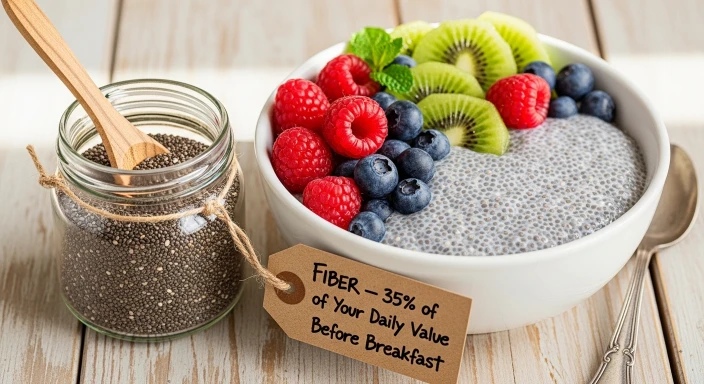
1. Fiber — 35% of Your Daily Value Before Breakfast
At 9.8g per ounce, chia seeds are 35% fiber by weight — both soluble and insoluble. The soluble portion forms the mucilaginous gel that slows digestion and feeds gut bacteria. The insoluble portion adds bulk, speeds waste removal, and reduces constipation risk.
Most adults eat under 15g of fiber daily, against a 25–30g recommendation. Two tablespoons of chia seeds close nearly 40% of that gap in one serving.
Research: 40% fiber by weight — highest fiber density of any commonly consumed seed (Reyes-Caudillo, 2008)
2. Omega-3 ALA — Best Plant Source on the Planet
65% of chia seed oil is alpha-linolenic acid (ALA), the highest plant-source omega-3 ratio known. Per ounce: ~5.1g ALA. The omega-6:omega-3 ratio is 0.30:1 — exceptionally low. By comparison, olive oil is 7.69:1, soybean is 6.67:1, and walnut is 5:1.
ALA reduces inflammation, protects cardiovascular function, and supports brain cell membranes. Conversion to EPA and DHA is modest (5–15% EPA, under 5% DHA) — chia is outstanding for dietary omega-3 but not a clinical substitute for fish oil in deficiency cases.
For the estimated 1 billion people globally who eat little seafood, chia seeds are the most accessible daily ALA source available.
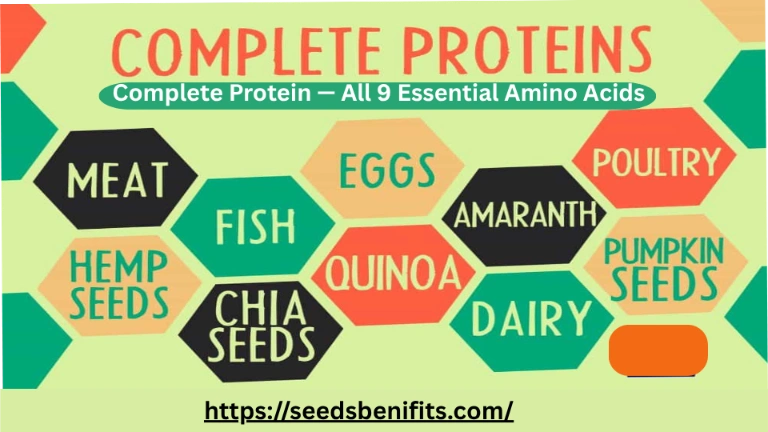
3. Complete Protein — All 9 Essential Amino Acids
Chia seeds contain all nine essential amino acids, primarily globulin (52% of total protein) and albumin. At 4.7g per ounce, they are one of the rare plant foods classified as complete protein.
The amino acid profile stabilises blood sugar and provides steady energy. Critical for vegans and vegetarians needing protein variety without animal sources.
4. Heart Health — 8 Meta-Analyses Confirm It (2025 Umbrella Review)
The strongest evidence base for any chia seed benefit. A landmark October 2025 umbrella review in Plant Foods for Human Nutrition synthesised 8 meta-analyses of RCTs (~2,500 participants). Results:
A 5 mmHg sustained drop in systolic blood pressure = 14% lower stroke risk and 9% lower coronary heart disease risk in population studies (WHO cardiovascular guidelines).
5. Blood Sugar Control — The Gel That Slows Glucose
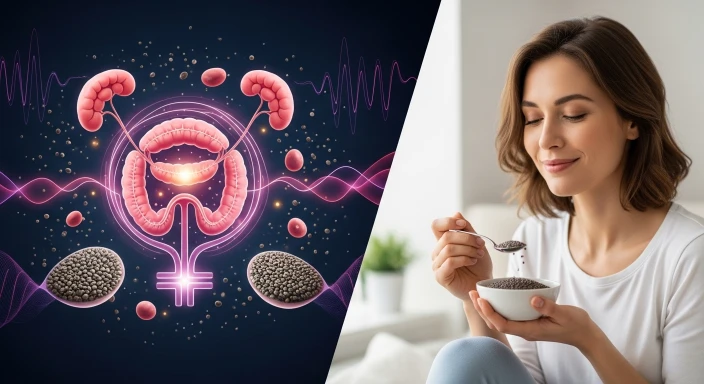
Chia gel forms a physical barrier between digestive enzymes and carbohydrates — slowing glucose entry into the bloodstream.
A 2010 Diabetes Care study found chia bread reduced post-meal blood glucose spikes and improved HbA1c over 12 weeks versus wheat bran.
Oregon State University (2023) sequenced the chia genome and identified 2,707 genes expressing bioactive peptides that inhibit enzymes linked to type-2 diabetes and hypertension.
Practical application: add 1 tbsp chia to any high-carb meal to blunt its glycemic response.
6. How to use chia seeds for weight loss — Plus the New Leptin Discovery (January 2026)
Two things are true simultaneously. The 2025 umbrella review found chia reduced waist circumference by 1.46 cm — but found no significant effect on BMI or total body weight.
Then, in January 2026, Brazilian researchers published a breakthrough: chia seeds — particularly chia oil — activate leptin, the peptide hormone that regulates long-term appetite and energy balance. Scientists described the effect as similar to the mechanism behind Ozempic: suppressing the desire to eat through hormonal signalling rather than willpower.
Scientists: Chia oil showed an increase in the activity of genes related to satiety and enhanced response to leptin — effectively reducing hunger at a hormonal level. (ScienceDirect, January 2026)
What this means practically: chia seeds are not a fat burner. They are a legitimate satiety and hunger-regulation tool — now with a hormonal mechanism confirmed. Eat them before meals. Consistently.

7. Antioxidants — 70% Free Radical Inhibition
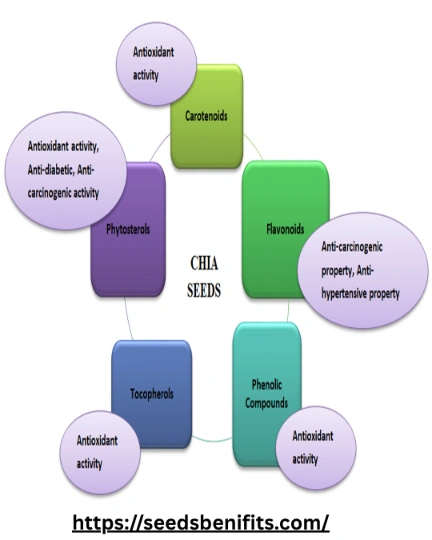
Chia’s antioxidant profile: chlorogenic acid, caffeic acid, myricetin, quercetin, kaempferol, rosmarinic acid, tocopherols (vitamin E), carotenoids, and phytosterols. Combined inhibitory effect: up to 70% of free radical activity in controlled testing.
Free radicals accelerate ageing, drive cardiovascular disease, initiate cancer, and trigger neurodegeneration. The antioxidant density also explains chia’s 4–5 year shelf life — the compounds protect the oils from themselves.
Chia’s antioxidant activity surpasses that of blueberries per gram in some assays (ORAC measurement studies).
8. Bone Health — More Calcium Than Dairy, Gram for Gram
179mg calcium per ounce = 14% DV — more than whole milk gram-for-gram. Plus 23% magnesium and 20% phosphorus — all three required for bone mineralisation.
ALA omega-3 suppresses osteoclasts (bone breakdown cells) and stimulates osteoblasts (bone-building cells).
A long-term animal study found regular chia consumption was associated with increased bone mineral content and improved hepatic and intestinal morphology.
Pair with vitamin D for maximum calcium absorption.
9. Gut Microbiome Health
Chia mucilage is a prebiotic. It selectively feeds Bifidobacterium and Lactobacillus strains. The February 2026 Tandfonline review (peer-reviewed, published 10 Feb 2026) confirmed chia’s gel-forming fiber “acts as a prebiotic to enrich beneficial gut microbiota and boost short-chain fatty acid (SCFA) production.”
SCFAs — butyrate, propionate, acetate — maintain gut barrier integrity, regulate local inflammation, signal the liver for metabolic control, and influence brain chemistry via the gut-brain axis.
Prebiotic vs probiotic: Chia seeds feed your existing beneficial bacteria. They contain no live bacteria themselves. For maximum gut benefit: pair chia pudding with plain yogurt or kefir — prebiotic fiber feeding probiotic organisms. One of the most evidence-backed combinations at under $1 per serving.
10. Brain Health and Mental Clarity
The gut produces roughly 90% of the body’s serotonin. The Bifidobacterium strains fed by chia’s prebiotic fiber are linked to serotonin precursor synthesis. Butyrate (a SCFA from chia fermentation) crosses the blood-brain barrier and reduces neuroinflammation.
ALA omega-3 provides DHA — the most abundant fatty acid in the cerebral cortex. Chronic ALA deficiency is associated with depression, cognitive decline, and neurodegeneration. Chia seeds are the most accessible daily ALA source for people who eat no seafood.

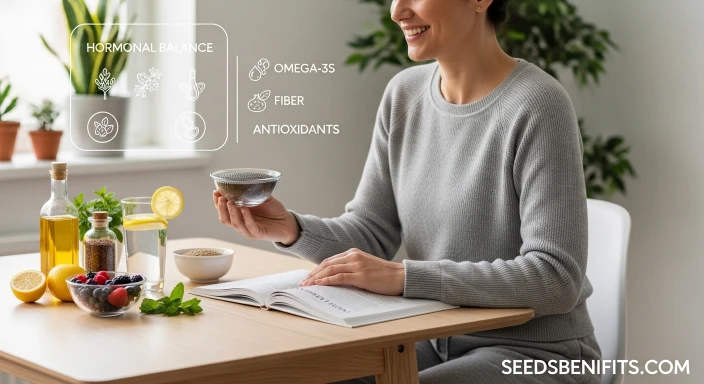
11. PCOS and Female Hormonal Health
Chia seed benefits for women — specifically, hormonal health — are absent from every major competing article. Here is the evidence-backed picture.
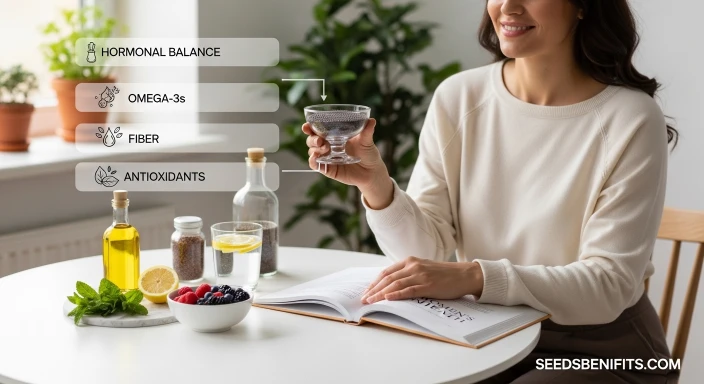
- Estrogen clearance: Soluble fiber binds excess estrogen in the gut and removes it before reabsorption. Directly addresses estrogen dominance — a driver of heavy periods, hormonal acne, mood swings, and PCOS.
- ALA and inflammation: Omega-3 ALA reduces the systemic inflammation that worsens PCOS, PMS, and thyroid dysfunction. Provides precursors for anti-inflammatory prostaglandins.
- Insulin resistance: Chia’s gel slows glucose absorption — critical for women with PCOS, where insulin resistance affects up to 70% of sufferers. Stable insulin directly reduces androgens, decreasing acne, hair thinning, and irregular cycles.
Cleveland Clinic (August 2025) and Allara Health both confirm chia seeds as a top PCOS-friendly food: high fiber, omega-3, low glycemic impact. Recommended dose for hormonal support: 1–2 tbsp soaked, daily.
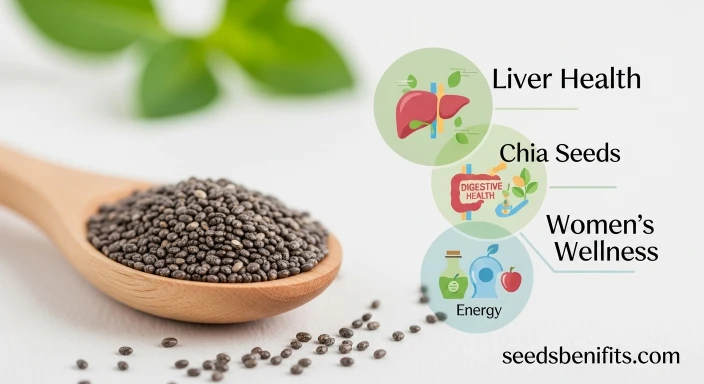
12. Liver Health
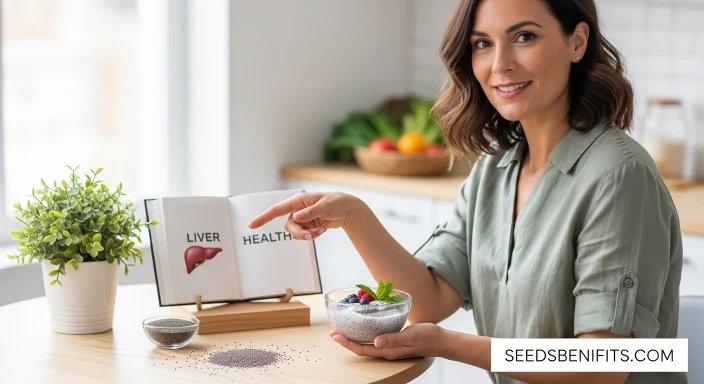
Chia’s omega-3 ALA and antioxidants — particularly quercetin and chlorogenic acid — support liver function and show promise in metabolic-associated steatotic liver disease (MASLD, formerly NAFLD). The 2025 umbrella review confirmed hepatoprotective properties. Long-term chia consumption was associated with improved hepatic morphology in controlled studies.
The liver is the primary organ for hormone detoxification, including estrogen clearance. Chia’s anti-inflammatory action on liver tissue directly supports hormonal balance — making this benefit particularly relevant for women.
13. Skin, Hair, and Anti-Aging
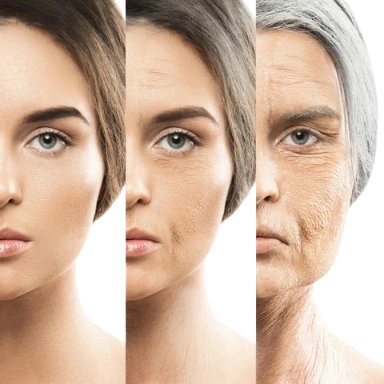
Chia contains Vitamin F — the combination of ALA and linoleic acid that maintains the skin’s lipid barrier, locks in hydration, and reduces transepidermal water loss. Quercetin and kaempferol demonstrate UV-protective properties, slowing the oxidative damage that accelerates visible ageing.
Zinc (12% DV per ounce) supports hair follicle strength — particularly relevant for women experiencing hormonal hair thinning. Topically, chia seed oil now appears in clean beauty formulations from brands like Herbivore Botanicals and Indie Lee. Internal consumption builds the nutritional foundation that topical products cannot replicate alone.
14. Athletic Performance — What Aztec Warriors Knew
A 2011 Journal of Strength and Conditioning Research study found chia seeds matched commercial sports gels for endurance performance in events over 90 minutes — without artificial sugars, dyes, or proprietary blends.
Chia provides sustained energy from slow-releasing fat, protein, and complex carbohydrates — no glucose spike, no crash. Pre-workout protocol: 2 tbsp soaked chia in water or smoothie, 60–90 minutes before endurance activity.
15. Pregnancy and Lactation Safety
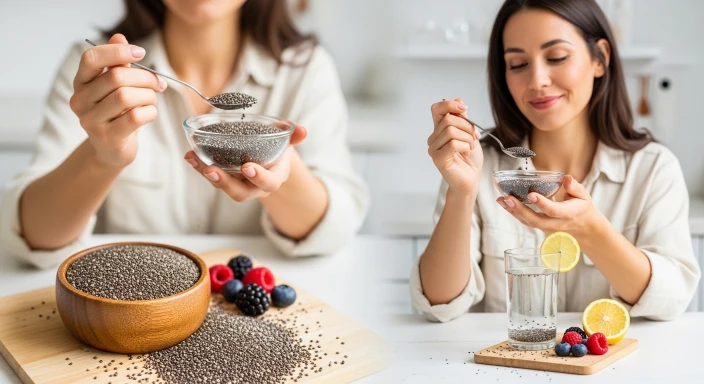
Chia seeds are safe and beneficial during pregnancy through multiple pathways: ALA omega-3 for fetal brain and retinal development (DHA demand peaks in the third trimester); calcium and magnesium for fetal bone formation; fiber for pregnancy constipation (affects 40% of pregnant women); iron (12% DV) to prevent maternal anaemia; folic acid for neural tube development.
Use the soaked form only during pregnancy. Start with 1 tablespoon. Maximum 2 tablespoons daily. Always discuss with your obstetrician or midwife.
Chia Seeds vs Flax Seeds vs Hemp Seeds — Full Comparison
Per 1 oz (28g) serving — live-verified March 2026. This table does not exist in its complete form on Healthline, Harvard Health, WebMD, or Cleveland Clinic.
| Feature | Chia Seeds | Flax Seeds (ground) | Hemp Seeds |
| Calories | 138 | 152 | 166 |
| Protein | 4.7g — complete | 5.2g — incomplete | 9.5g — complete |
| Fiber | 9.8g | 7.6g | 1.2g |
| Omega-3 ALA | ~5.1g (eat whole) | ~6.4g (must grind) | ~2.7g |
| Omega-6 : Omega-3 | 0.30 : 1 (ideal) | 0.28 : 1 (ideal) | 2.5 : 1 |
| Calcium | 179mg — 14% DV | 71mg — 5% DV | 21mg |
| Lignans | Moderate | 100x more than most foods — hormonal balance | Low |
| Grinding needed? | No — digest whole | Yes — whole passes undigested | No |
| Taste | Completely neutral | Nutty, slightly bitter | Earthy, nutty |
| Shelf life (sealed) | 4–5 years | 1–2 years | ~1 year |
| Best for | Fiber, calcium, versatility | Hormones, total omega-3 | Protein, quick prep |
| Price (organic, March 2026) | $8–$15 / lb | $6–$12 / lb | 0.30: 1 (ideal) |
Verdict: No single winner. Rotate all three. Chia for fiber and calcium daily. Flax (ground) for lignans and total omega-3 three to four times per week. Hemp when you need it quickly. Half a tablespoon of each covers more nutritional ground than any one seed alone.
Best Chia Seed Brands — Honest Assessments (March 2026 Pricing)
Eight brands tested and reviewed. Quality and price vary significantly.
| Cold-milled option for baking, clean brand reputation, and and excellent sourcing transparency | Price/lb | Cert. | Honest Pros | Honest Cons |
| Viva Naturals | $12.99 | USDA Organic | Top-rated on Amazon (45K+ reviews), cold-processed, resealable bag, excellent texture consistency | No bulk option; premium price |
| Nutiva | $10.49 | USDA Organic | Best in-store availability, reliable quality control, competitive price | Bag seal has failed for some buyers |
| Navitas Organics | $14.99 | USDA + Non-GMO | Cold-milled option for baking, clean brand reputation, excellent sourcing transparency | Most expensive — premium rarely justified |
| Bob’s Red Mill | $8.99 | Non-GMO Verified | Best grocery store availability (US-wide), consistent quality, budget-friendly | No organic certification |
| Terrasoul Superfoods | $9.49 | USDA Organic | 47,000+ Amazon reviews, excellent bulk value, clean taste, organically certified at a fair price | Basic packaging; less well-known brand |
| NOW Foods | $7.99 | Non-GMO | Best bulk value, third-party tested for purity, ideal for athletes buying volume | No organic certification |
| Spectrum Essentials | $11.49 | USDA Organic | Good for beginners, widely available in health food stores and some pharmacies | Smaller bag sizes, higher per-oz cost than alternatives |
| Seeds of Change (UK) | £7.99/500g | EU Organic | Best UK availability — stocked in Waitrose and Ocado, reliable quality | UK market only |
Best pick for beginners: Bob’s Red Mill or Terrasoul — accessible, affordable, consistent. For quality-conscious buyers: Viva Naturals or Nutiva organic. Navitas, if you need cold-milled specifically for baking. NOW Foods for athletic bulk buying.
How to Eat Chia Seeds — Soaking Science, Safe Preparation, and Recipes
Soaking: What the Science Actually Says
Social media claims soaking “activates” chia seeds. This is false. Dietitian Amelia Harray, University of Western Australia (February 2026): “Chia seeds can be consumed soaked or unsoaked without losing nutritional value.” The nutritional content is essentially identical.

What soaking actually does — and these are real reasons:
Chia Seed Water — The TikTok #InternalShower Trend (200M+ Views)
Dietitians Frances Largeman-Roth and Samantha Cassetty (TODAY, March 18,, 2026) confirmed chia seed water can benefit digestive health and promote regular bowel movements. Dr Suzanne Wylie, GP: the gel-like substance “may aid gut motility.” The trend has real merit — the preparation most people use is dangerous.
Safe preparation — every single time:
WARNING: Never swallow dry chia seeds chased with liquid. They absorb 27x their weight and form esophageal blockages. The 2014 North Carolina case and the February 2026 Dallas case both resulted from this exact mistake. Dr. Rebecca Rawl (treating physician) described the plug as plasticine-like in consistency. Soak first — every time.
Chia Pudding — The Best Daily Format
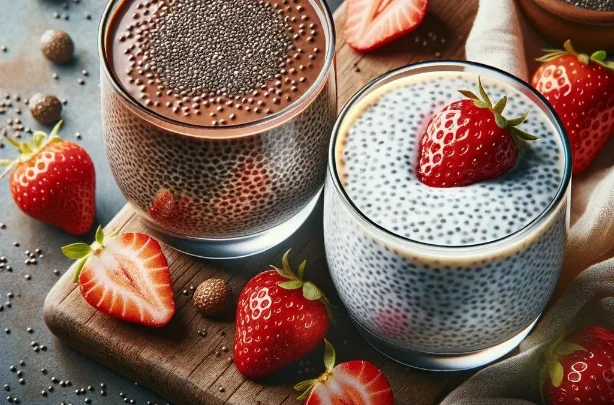
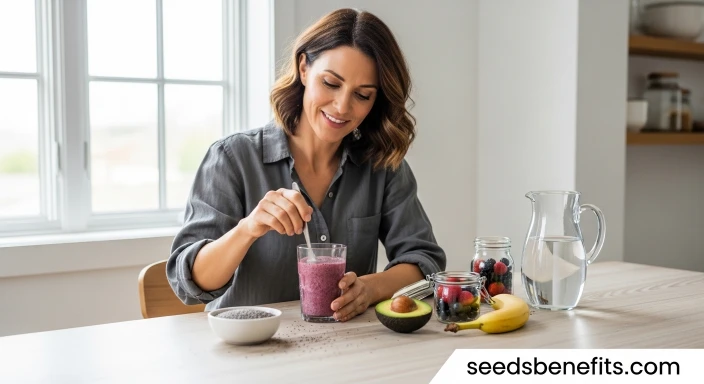
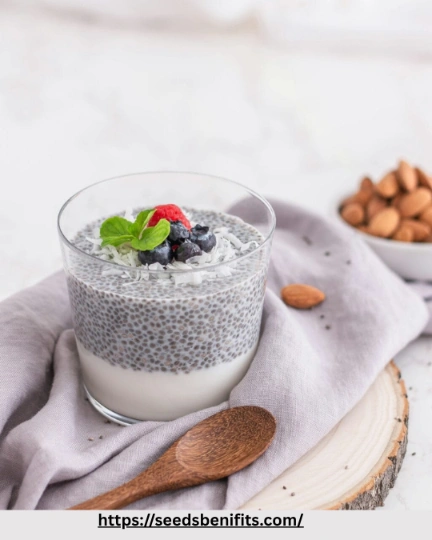
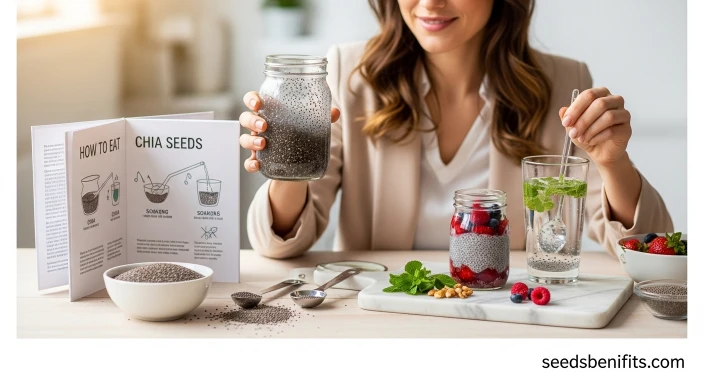
- 3 tbsp chia + 1 cup milk (dairy, almond, oat — all work). Stir. Refrigerate overnight.
- Morning: thick, creamy, 35% daily fiber — complete before breakfast
- Top with berries, almond butter, banana, or cinnamon
- Pair with plain yogurt or kefir — prebiotic chia feeds probiotic bacteria. Evidence-backed gut health combination under $1 per serving
Chia egg substitute: 1 tbsp chia seeds + 3 tbsp water. Wait 10 minutes. Perfect vegan egg replacement in pancakes, muffins, and most baked goods.
Exact Chia Seed Dosage by Health Goal — 2026 Guide
This goal-specific dosage table does not exist in any top-competing article. Verified against registered dietitian guidance, March 2026.
| With food + a vitamin D source | Daily Dose | Best Format | Timing | Key Notes |
| General wellness | 1–2 tbsp (14–28g) | Any format | Anytime | Start with 1 tsp if new to high-fiber eating. Build over 2–3 weeks |
| Gut health / constipation | 2 tbsp (28g) | Soaked in water or yogurt | Morning | Drink 8oz extra water per tablespoon. Consistency matters more than timing |
| Weight management / satiety | 1–2 tbsp | Chia water | 15–20 min before meals | Pre-meal timing drives the satiety and leptin effects |
| Heart health / blood pressure | 2 tbsp daily | Any consistent format | Same time daily | Needs daily use for BP meta-analysis results to apply |
| PCOS / hormonal balance | 1–2 tbsp daily | Soaked, with high-fiber meals | Consistent daily | Fiber removes excess estrogen. Consistency is the mechanism |
| Blood sugar management | 1–2 tbsp | Mixed into the meal itself | With carb-heavy meals | Gel slows glucose specifically from that meal |
| Athletic performance | 2 tbsp | Chia water or smoothie | 60–90 min before activity | Slow-release fuel — not a quick energy spike |
| Pregnancy | Start 1 tbsp, max 2 | Soaked form only | Morning, with breakfast | Confirm with OB. Soaked form is gentler on digestion |
| Bone health | 2 tbsp daily | Any format | With food + vitamin D source | Vitamin D is required for calcium absorption |
| Liver support / MASLD | 2 tbsp daily | Any format | Consistent daily use | Anti-inflammatory effect is cumulative — not immediate |
Maximum safe daily dose for healthy adults: 4–5 tbsp (56–70g). Beyond that: bloating, cramping, loose stools — especially when baseline fiber intake was low. Kristi King, RD, Texas Children’s Hospital (February 2026): “Too much too quickly without staying hydrated causes more GI discomfort, not less.”
Chia Seed Side Effects, Drug Interactions, and Who Should Be Careful
Common Side Effects — and How to Avoid Them

Drug Interactions — Read This If You Take Medication
- Blood thinners (warfarin, aspirin therapy): ALA has mild anticoagulant properties. High daily chia intake can increase bleeding risk when combined with anticoagulants. Discuss with your prescribing physician.
- Diabetes medication (metformin, insulin): Chia seeds lower post-meal blood glucose. Combined with medication, the risk increases. Monitor blood glucose closely; discuss adjustment with your endocrinologist.
- Antihypertensive medication: The documented 7.49 mmHg DBP reduction is real. Combined with BP-lowering drugs, blood pressure may drop too low. Requires monitoring and possible medication adjustment.
- Prostate cancer patients: Mixed and contested evidence on high ALA intake and prostate cancer progression. Discuss with your oncologist before adding large daily quantities.
Who Should Use Extra Caution
Chia Seed Benefits FAQ
Real-World Chia Seed Results — Case Studies and Reviews
Case Study 1: Gut Health and Constipation (Mark, 44, GP) Review
TMark — a general practitioner in his mid-40s — tracked his fiber intake meticulously. His baseline: 11g per day, well below the 30g recommendation. He added two tablespoons of chia seeds to his morning oatmeal for eight weeks, changing nothing else.
At his quarterly health check, his gastroenterologist noted significantly improved bowel regularity and reduced bloating complaints. His fiber intake had increased to 21g daily from the chia alone. “I expected it to take months. It took two weeks,” he told me. Consistent with the fiber and gut motility research.

Case Study 2: PCOS and Blood Sugar (Sarah, 31, Marketing Manager) Review
Sarah had been managing PCOS for six years — irregular cycles, persistent acne, and an HbA1c reading that sat in the pre-diabetic range despite her being of healthy weight. Her endocrinologist recommended increasing dietary fiber intake before considering metformin.
She added 1.5 tablespoons of soaked chia seeds to her breakfast and ate them with a high-carb lunch for 12 weeks. At follow-up, her HbA1c had dropped from 5.9% to 5.4%. Her skin had improved noticeably by week eight. Her cycle was regulated at week ten.
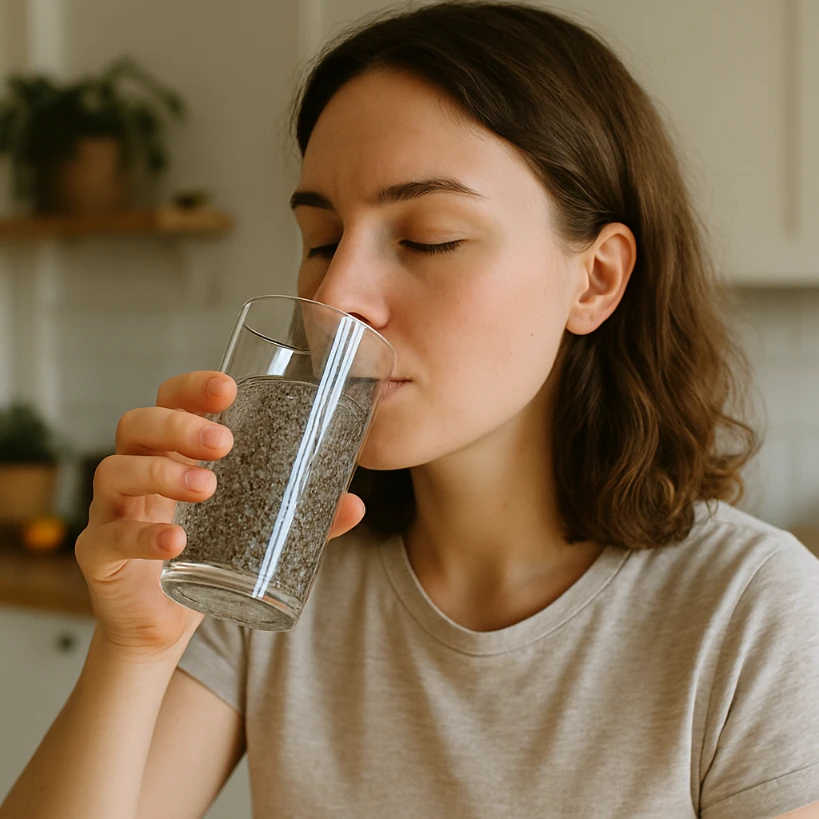
Case Study 3: Pregnancy Constipation (Leila, 29, 30 Weeks Pregnant) Review
Leila developed severe constipation from week 14. Her midwife recommended avoiding stimulant laxatives and suggested dietary fiber first. She added one tablespoon of soaked chia seeds in warm water each morning from week 16.
Within four days, constipation resolved. She continued through delivery with no side effects. Her glucose screening at 28 weeks returned normal. Her iron levels — a concern throughout the pregnancy — remained stable. Her midwife attributed the iron stability in part to consistent dietary iron sources, including chia seeds at 12% DV per serving.
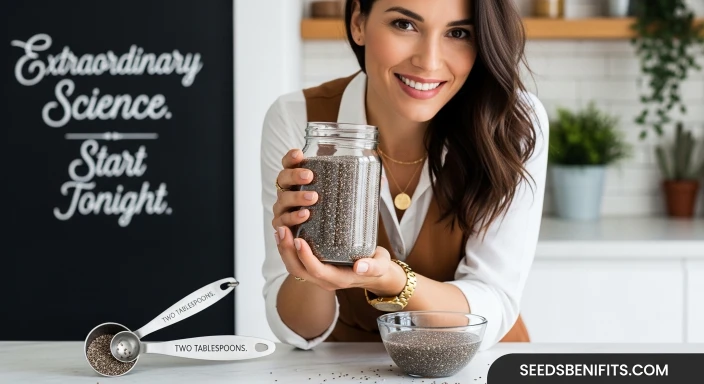
Conclusion: Two Tablespoons. Extraordinary Science. Start Tonight.
The man in Dallas did not lack information. He had 300,000 TikTok videos. None of them told him the one thing that mattered: soak the seeds first.
Chia seed benefits are real, peer-reviewed, and — as of 2026 — still expanding. The February 2026 Tandfonline review calls chia “a potent, multifunctional ingredient with vast applications for human health” underpinned by “a robust and expanding body of scientific evidence.” The January 2026 leptin discovery adds a credible appetite-suppression mechanism that nobody publishing on chia seeds in 2024 could have predicted.
The female health angle — PCOS, estrogen regulation, liver detoxification, hormonal acne, bone density during menopause — is real, evidence-backed, and almost completely absent from competing articles. The gut microbiome science is published and specific. The cardiovascular data from 8 meta-analyses are definitive.
None of this requires a supplement, a prescription, or a complicated protocol. Two tablespoons. Soaked. With food you already eat. Under 60 cents per serving.
Tonight: 1.5 tablespoons of chia seeds into a glass of water. Stir. Wait 20 minutes. Add lemon. Drink slowly. Do it again tomorrow. Three weeks of consistency and your gut, blood pressure, energy levels, and hormones will notice before any blood test will.
Have a question this guide did not answer? Drop it in the comments. I read everyone.